

World AIDS Day
They can’t erase it if we don’t let them.

December 1st is World AIDS Day—a day for the world to unite in the fight against HIV/AIDS, to support those living with HIV/AIDS, and to remember those who were taken from us too soon.
My Uncle Steve was 16 years old when I was born. I could have been his baby sister. The vintage photo below is me on his lap.
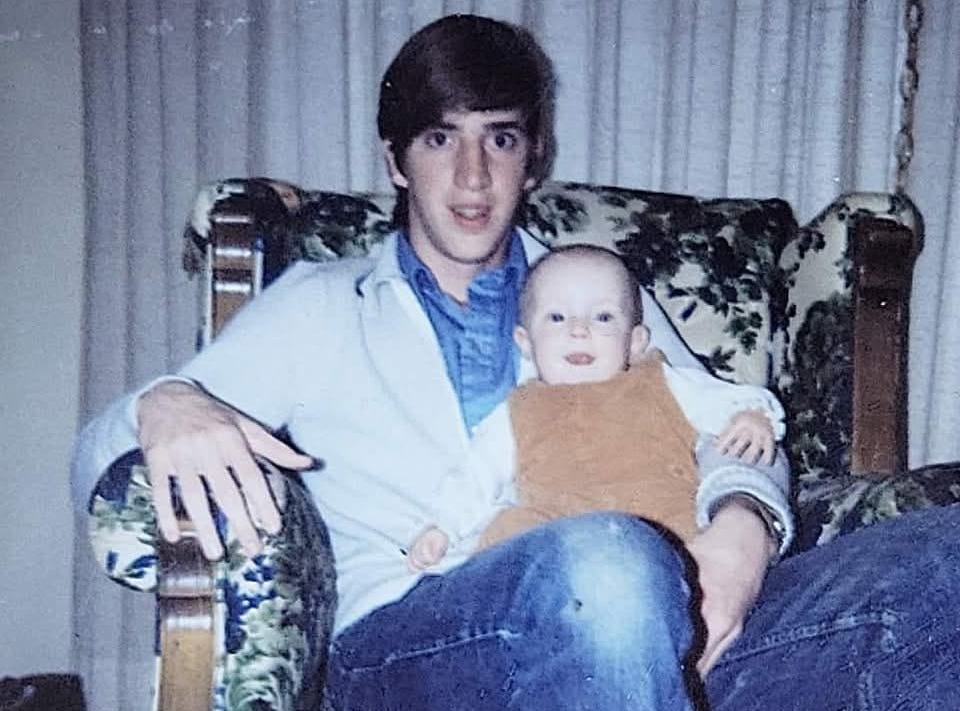
He was my mom’s only sibling, and we were close. As a little girl, I remember staring up at him in awe of his height, the way his eyes sparkled with mischief, how much he loved cats, and the nickname he bestowed on me: his “Social Butterfly.”
In 1994, my Uncle Steve’s HIV became full-blown AIDS—a term rarely used anymore in describing the separate and more serious phase of an HIV infection, due to modern treatments.
I’ll never forget the images of his last days as his body wasted away. They are scars on my heart—nobody deserves to die that way.
By the year 2,000, when Uncle Steve died, over 30 million people worldwide are estimated to have died from the disease. Over twenty years later, much progress has been made in the treatment and many infected can expect to live as long as those without HIV, provided they have good access to medical care and can adhere to their HIV treatments.
All these years later, the statistics are still astounding1. There are close to 40 million people living with HIV in the world (over 1 million in the United States). In 2024, over 600,000 people died.
Recently, federal funding for prevention in the US was drastically cut, and the current government refuses to acknowledge this day, for the first time in 32 years.
They can’t erase it if we don’t let them.
I’ll never forget the images of his last days as his body wasted away. They are scars on my heart—nobody deserves to die that way.
Beatriz Grinsztejn, the president of the International AIDS Society2 recently released this statement, “On this World AIDS Day, let us honor the strength of communities, the power of science and the courage of everyone working with, living with or affected by HIV.”
I encourage you to look for events happening around you to remember and learn; to listen to stories of people who have had their lives impacted by HIV; to educate yourself about how to help end the stigma of HIV; to talk about it with others (because it hasn’t disappeared); and/or even get yourself tested to mark this day. Of course, I’d incredibly honored if you shared this post.
Rest in peace, Uncle Steve.
With love,
~ Your social butterfly

I learned recently why the L comes first in LGBTQIA+ 😢 thank you for sharing. Tall people always seem to be the gentlest people 🤔
I’m so sorry you lost your uncle—he sounds like an important person in your life and the loss must have been painful. ❤️🩹